
At the Intersection of History, Landscape, and the Domestic Wild

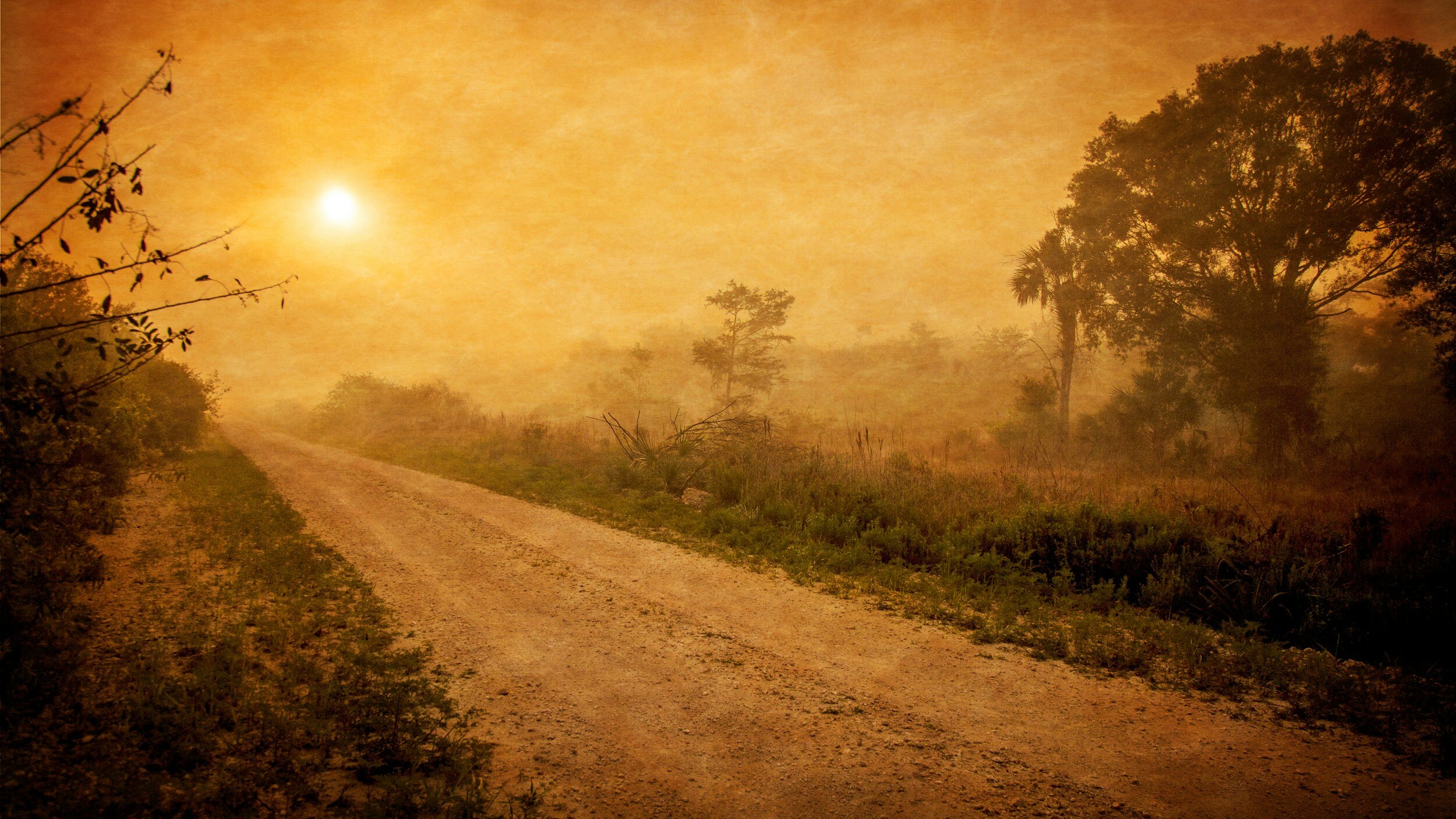
Welcome to a realm where the past, the natural world, and human creativity converge, weaving an evolving tapestry of knowledge, experience, and place. Central to this work is the belief that a meaningful connection to land and water shapes how we understand both ourselves and the world around us. Within these rhythms—what I refer to as the domestic wild—there exists a balance between cultivation and untamed life, between history and lived experience.
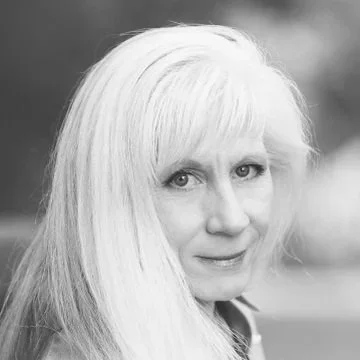
My name is Dana Brown, and this space brings together my work as an educator, historian, and writer. Here, you will find courses, projects, and reflections that explore how people, environments, and traditions intersect over time. Visitors are also invited to explore selected samples of my history courses, which reflect a structured, place-based approach grounded in real-world application.
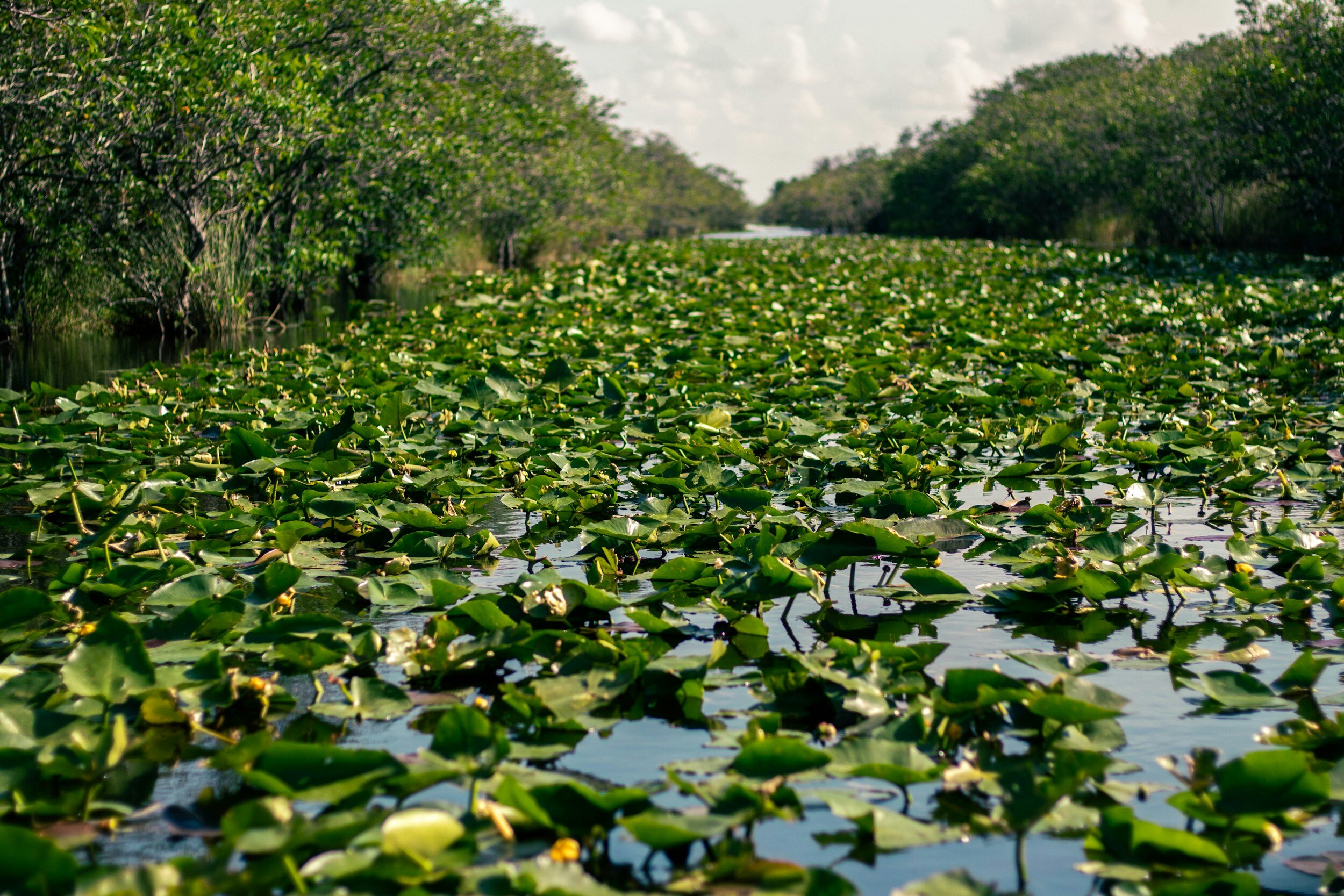
My work moves across landscapes and regions, from Florida’s coastal and environmental histories to Midwestern and Great Lakes maritime worlds. I am especially interested in the spaces in between—where land meets water, where past and present overlap, and where human and natural systems intersect.
This includes a focus on ranching traditions and working landscapes, particularly within the American West and Florida’s cracker cattle traditions. These histories provide a grounded way to understand the domestic wild as a lived environment shaped by labor, ecology, and culture.
I offer a range of resources, including self-paced courses and applied history projects, designed for those who wish to engage more deeply with the landscapes and stories that surround them. These offerings are flexible and accessible, allowing for individual exploration and sustained engagement.
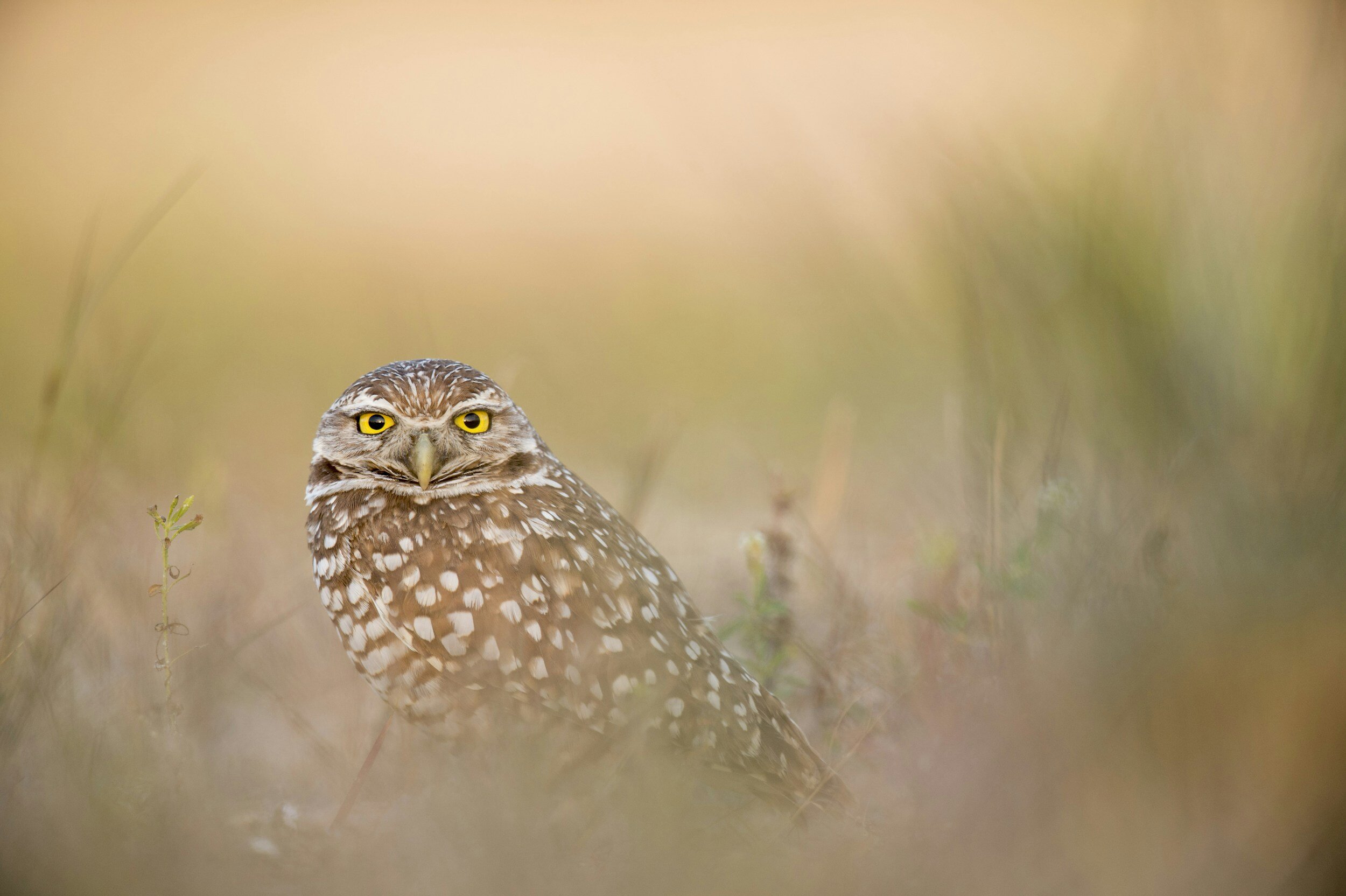
Creative and exploratory elements are woven throughout this work, including reflections on coastal environments, water-based experiences, ranching landscapes, and everyday encounters with the natural world. These are not separate from the academic, but extensions of it—ways of seeing, noticing, and interpreting.
At the heart of this work is a focus on sense of place. Whether engaging with a course, a project, or a piece of writing, the goal is to support a deeper awareness of how place, history, and environment shape one another.
This is an open invitation to explore, to learn, and to reconnect—with the land, the water, and the layered histories that continue to unfold.